
“C2S”, “CCNB”, “coated”, “uncoated” — four words that decide most of the cost, print quality and lifespan of a paper package, and four words that buyers routinely mix up. This guide draws the lines between them, with the grammages and calipers we actually run on press, so you can specify a sheet instead of accepting whatever the factory quotes.
Coated vs Uncoated: What the Coating Actually Does
A coated sheet carries a thin layer of pigment — usually clay, calcium carbonate or a polymer binder — applied to the base paper and then calendered smooth. The coating sits on top of the fibres and fills the valleys between them. Ink stays on that surface instead of soaking in, so dots stay sharp, colours stay dense, and the sheet reflects light evenly.
An uncoated sheet has no such layer. Ink penetrates into the fibre structure. That softens edges slightly, mutes colour saturation and gives the matte, tactile look that stationery brands pay for. It also makes the sheet more absorbent, which is why uncoated stocks drink ink and need heavier laydown to reach the same density.
One correction worth making, because it circulates widely: uncoated paper is not “base paper with white paint added”. It is the absence of coating. The coated sheet is the one with the pigment layer.
| Property | Coated (art paper, C2S) | Uncoated (offset, kraft, bond) |
|---|---|---|
| Surface | Smooth, closed, calendered | Open, slightly textured |
| Ink behaviour | Sits on the surface, high holdout | Absorbs into the fibre |
| Colour result | Deep, saturated, glossy | Softer, matte, slightly muted |
| Dot reproduction | Fine detail down to 175–200 lpi | Detail softens above ~150 lpi |
| Fingerprint / scuff risk | Higher on gloss, needs handling care | Lower, more forgiving |
| Relative cost | Higher per tonne | Lower per tonne |
| Typical use | Retail bags, gift boxes, labels, catalogue covers | Letterheads, envelopes, kraft bags, book interiors |
C1S vs C2S: Why the Number Matters
The number counts coated sides. C1S (coated one side) has pigment on the print face only; the reverse stays raw. It is the right choice when one side is glued, laminated to board or simply never seen. C2S (coated two sides) has pigment on both faces, which matters for bags, folded cartons and anything that gets handled, turned or opened.
For paper bags, C2S is the default. A bag is a three-dimensional object: the same sheet becomes the front panel, the gusset and the turned-in top edge. A C1S sheet leaves a raw, slightly darker reverse that shows at the folds and inside the mouth of the bag. On white or ivory bags that read as a defect.
C2S Art Paper: Weights, Caliper and Where It Goes
Art paper is the trade name for coated woodfree paper. In packaging we specify it by grammage, and grammage maps to caliper in a fairly predictable band. The exact conversion depends on the mill, so always confirm the caliper on the mill certificate rather than assuming — a 300 gsm sheet can vary by 0.02 mm between suppliers, which is enough to change how a crease behaves.
| Grammage | Typical caliper | Where we use it |
|---|---|---|
| 128–157 gsm | 0.11–0.14 mm | Light retail bags, inserts, sleeve wraps |
| 200–230 gsm | 0.18–0.21 mm | Mid-weight shopping bags, small gift boxes |
| 250–300 gsm | 0.23–0.28 mm | Standard luxury retail bag, folded cartons |
| 350 gsm | 0.31–0.34 mm | Heavy bags, rigid box wrap, premium cartons |
| 400 gsm+ | 0.38 mm+ | Usually laminated to board, rarely used bare |
Above roughly 300 gsm, art paper starts to fight the bag-making machine. The sheet creases harder, the folded edge gets bulky and the bag loses the crisp flat look that made it worth printing in the first place. When a brief calls for “thicker”, the better answer is usually 250–300 gsm art paper laminated onto greyboard, not a 400 gsm sheet folded on itself. The paper bag specification chart sets out the safe grammage range for each bag format and handle type.
CCNB: The Board Behind Rigid Boxes
CCNB stands for Clay Coated News Back. The structure explains the name: a clay-coated white liner on the front, a recycled newsprint core in the middle, and an uncoated grey or news back. It is a board, not a paper — typically 250–450 gsm, with the coated face carrying the print and the news back providing stiffness at a lower cost than solid bleached board.
| Layer | Function |
|---|---|
| Coated white liner | Print surface — takes four-colour and foil |
| Recycled news core | Bulk and stiffness at low density |
| News back | Non-print face, usually hidden or glued |
Where CCNB earns its place is rigid box wrapping. A magnetic closure box or a drawer box needs a board core for structure (greyboard, 1.5–2.5 mm) and a thin printed sheet wrapped around it. CCNB at 250–350 gsm wraps cleanly around tight radii, holds a crease without cracking and takes foil and spot UV without the mottling you get on cheaper recycled stocks. Its news back is uncoated, which is fine — that side faces the greyboard.
CCNB is not a substitute for art paper on a bag. It is stiffer and has a rougher reverse, so it does not fold into a gusset cleanly and the turned top edge shows its core. Use it for box wraps, book-style boxes and rigid lids. For the structural side of those formats, see our guide to magnetic closure, collapsible and drawer boxes.
Ivory Board and Kraft: The Other Two You Will Be Quoted
Most packaging briefs land on one of four sheets. Art paper is the print-first option. CCNB is the wrap-around-board option. Ivory board (also sold as FBB, folding box board) is a white-lined board with a cream-to-ivory tint and a coated top: brighter than CCNB, more rigid than art paper, and the standard for cosmetic and confectionery cartons. Kraft is unbleached virgin fibre, strong and tear-resistant, with a natural brown tone and a rough surface that repels coating.
| Sheet | Coating | Grammage band | Best for | Weak point |
|---|---|---|---|---|
| C2S art paper | Both sides | 128–400 gsm | Printed bags, gift boxes, sleeves | Low stiffness at high grammage |
| CCNB | One side (clay) | 250–450 gsm | Rigid box wrap, book boxes | News back, limited folding |
| Ivory board (FBB) | One or both | 210–400 gsm | Cosmetic, food, retail cartons | Cost per tonne |
| Kraft | None | 80–200 gsm | Bags, wraps, eco positioning | Poor print detail, no lamination |
Two practical notes that cost money if missed. First, kraft and lamination do not mix: the long, rough fibres trap air under the film and the surface never fully seals, so the film lifts or bubbles. If a brand wants kraft looks plus protection, print a kraft-coloured art paper instead of laminating real kraft. Second, ivory board and art paper take gloss, matte and soft-touch film equally well, but soft-touch kills foil adhesion unless the foil is stamped before the film goes down.
How to Choose in Three Questions
1. Does the surface get printed heavily? If yes, coated — C2S art paper for bags and sleeves, ivory board for cartons. If the look is raw and tactile and print is minimal, uncoated kraft.
2. Is the structure folded and handled, or wrapped around a board? Folded and handled means art paper or ivory board. Wrapped around greyboard means CCNB at 250–350 gsm.
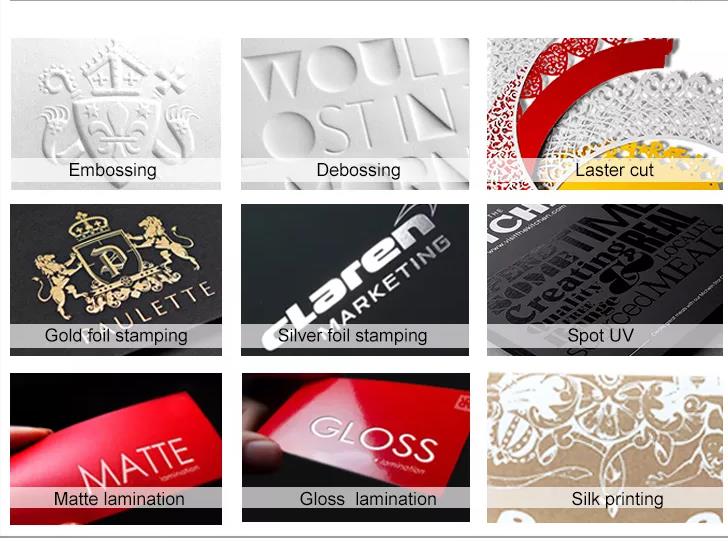
3. Will it be finished? Lamination, spot UV and foil all behave differently by sheet. A coated sheet accepts all three. An uncoated sheet accepts foil but not film. A news-back board accepts foil on the coated face only.
If the answer points to a bag, the next decision is grammage and handle type, not paper brand — our guide on choosing paper for custom bags walks through that sequence. If it points to a box, start from the structure and work back to the sheet; ivory paper in paper boxes covers the carton side in detail.
FAQ
Is C2S the same as art paper?
In packaging usage, effectively yes. C2S describes the coating configuration (two sides coated); art paper is the product category. A mill will quote “C2S art paper 250 gsm” and mean one thing. Strictly, art paper can also be C1S, so the two terms are not perfectly interchangeable.
Can CCNB be printed on both sides?
Only the coated face takes quality print. The news back is uncoated and recycled, so printing there gives a dull, uneven result. If a box needs print inside and out, use ivory board or wrap two CCNB sheets back to back.
What grammage should I specify for a retail bag?
200–250 gsm for a standard shopping bag, 250–300 gsm for luxury retail with lamination and rope handles. Load matters more than grammage alone — the handle attachment decides failure, not the sheet. Check the load ratings by grammage and handle type before committing.
Does coating affect recyclability?
Not meaningfully at packaging coat weights. The pigment layer is mineral-based and disperses in repulping. Film lamination is the bigger barrier — a laminated bag is harder to recycle than a coated one, which is why water-based varnish and spot UV are preferred where the brief allows.
Hrenary Packaging runs C2S art paper, CCNB, ivory board and kraft in-house, from 128 gsm bags to 350 gsm rigid box wraps. Send us your structure and print file and we will come back with the sheet, grammage and finishing that fit the budget rather than the catalogue.