How to Choose a Paper Box Structure
Three variables decide the structure: how much protection the product needs, what price point the box has to support, and how it reaches the end customer. An €8 serum and a €180 watch both ship in paperboard, but they need different board weights, different tolerances and very different finishing budgets. The eight structures below cover most briefs we receive from cosmetics, jewellery, electronics, confectionery and apparel brands.
The Eight Box Structures We Manufacture
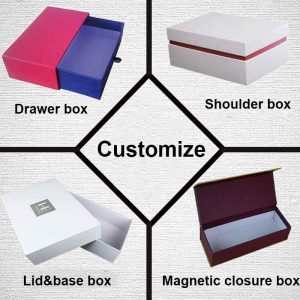
Rigid (Set-Up) Boxes
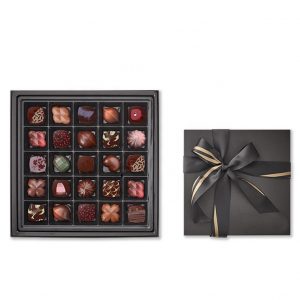
Greyboard of 1.5 mm to 3 mm, wrapped in printed art paper and assembled rather than folded. The box holds its shape permanently and cannot ship flat. That rigidity is what makes an unboxing feel deliberate, and it is why rigid boxes dominate cosmetics, spirits and gift sets. Unit cost is the highest of any structure here, and freight volume is larger because boxes travel assembled.
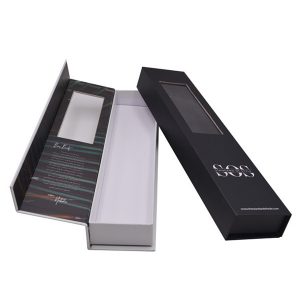
Magnetic Closure Boxes
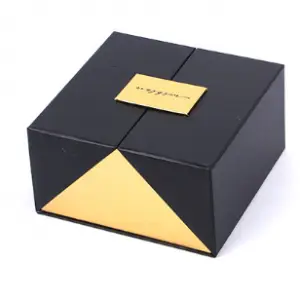
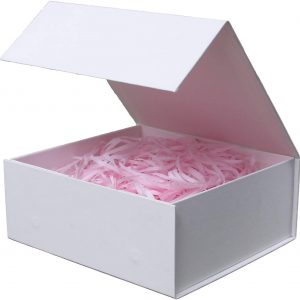
A rigid box with a hinged lid held by embedded magnets, usually two 10 mm discs on a 200 mm lid. The wrap can match the base or contrast with it — soft-touch laminate and textured specialty paper both read as premium. Choose this when the box will be opened repeatedly: subscription kits, sample sets, or packaging that doubles as storage.
Lid-and-Base (Shoulder Neck) Boxes
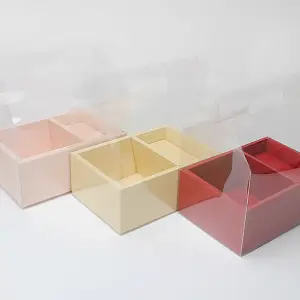
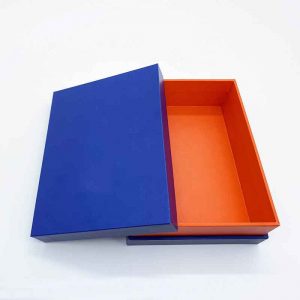
A base plus an oversized lid that slides over it. The visible gap is the shoulder, and it is where finishing earns its money: a coloured edge, a foil band, a contrasting liner. Cheaper to assemble than a magnetic closure and quietly classic — the natural fit for jewellery, candles and premium confectionery.
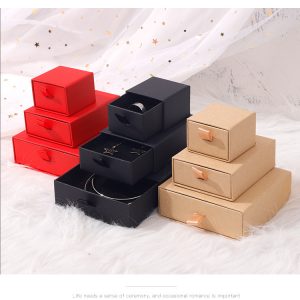
Drawer and Sliding Boxes
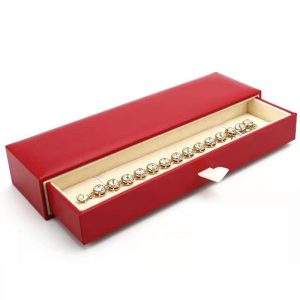
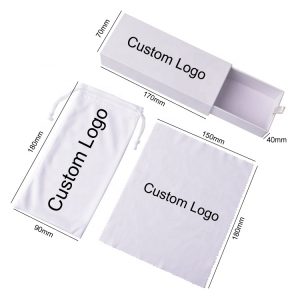
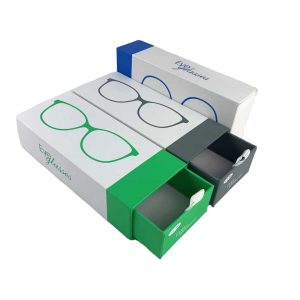
An inner tray slides out of a rigid sleeve, often with a ribbon pull. The motion creates a reveal, which is why drawer boxes work for gift sets and corporate kits. The engineering risk is tolerance: the tray must glide without rattling, so board thickness and wrap clearance have to be held tight.
Collapsible Rigid Boxes
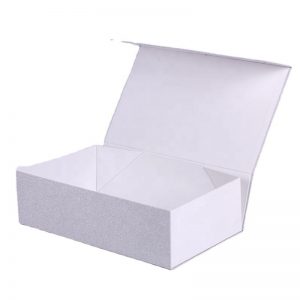
Rigid appearance, flat delivery. The greyboard is scored and a collapsible frame inserted, so the box folds flat in the warehouse and still holds a crisp edge once assembled. Freight drops by 40–60% against set-up boxes, which matters on export orders where you pay for volume rather than weight.
Folding Cartons
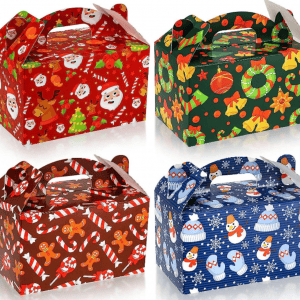
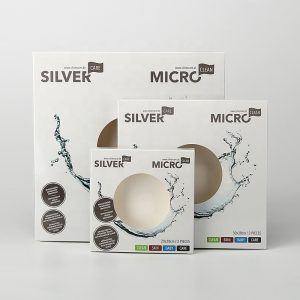
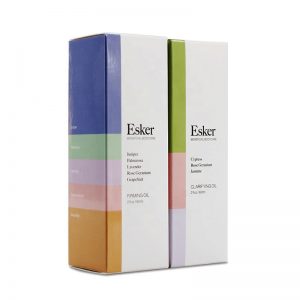
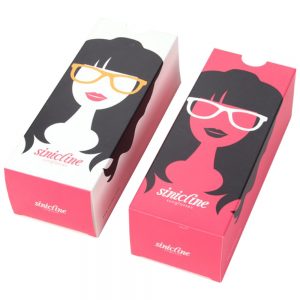
250–400 gsm SBS or FBB board, printed, die-cut, glued and shipped flat. Lowest unit cost of any structure and the workhorse of retail: cosmetics cartons, food cartons, electronics sleeves. The limit is structural — a folding carton cannot carry the perceived weight of a rigid box and offers less protection.
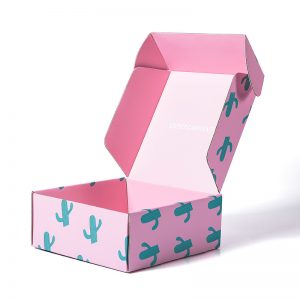
Corrugated Mailer Boxes
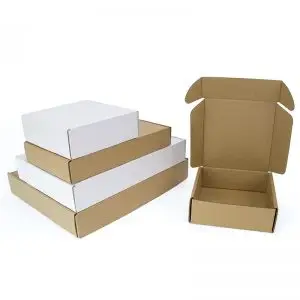
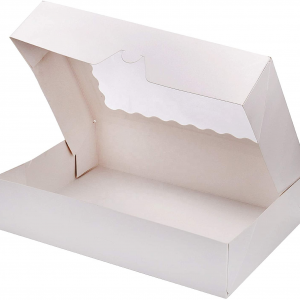
E-flute or B-flute board, printed and die-cut, folding into a self-shipping box. E-commerce brands use mailers to replace the outer carton entirely, cutting both packing time and material. Print fidelity is lower than on art paper, so mailers suit bold graphics over fine gradients.
Sleeve and Tray Boxes
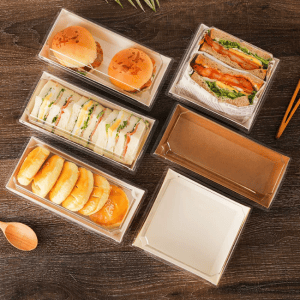
A printed sleeve around a tray. Cheap, flexible and easy to refresh — reprint the sleeve for a seasonal promotion without retooling the tray.
Board Grades and Material Selection
Rigid boxes are specified by greyboard thickness — 1.5 mm, 2 mm, 2.5 mm and 3 mm cover most work — and by wrap paper, usually 128 or 157 gsm art paper. Folding cartons are specified by caliper: 250–300 gsm for small cosmetics, 350–400 gsm for larger panels that must stay flat. Kraft board from 100 to 200 gsm suits a natural, uncoated look and takes single-colour print well. Where a box must resist moisture or grease — food, cosmetics, frozen goods — we specify PE-coated or barrier-lined board instead of plain stock.
Printing and Surface Finishing
Offset CMYK covers photographic artwork; Pantone matching holds a brand colour across reorders. On top of print, the usual options are matte or gloss lamination, soft-touch film, spot UV, hot foil in gold, silver or holographic, and embossing or debossing for tactile logos.
Two cautions worth knowing before you brief a design: soft-touch film scuffs on dark colours and does not accept handwriting, and heavy foil coverage across a fold line will crack. Both are solvable at the artwork stage, not after printing.
MOQ, Sampling and Lead Times
Minimum order quantities depend on structure and material — a few hundred pieces for standard folding cartons and rigid boxes, higher for complex multi-piece assemblies that need custom tooling. Pre-production samples take roughly 5–7 working days after artwork approval; bulk production runs 15–25 days depending on finishing and quantity. Sea freight to Europe or North America adds 25–35 days; air freight 5–8 days.
Frequently Asked Questions
What is the difference between a rigid box and a folding carton?
A rigid box is built around greyboard and assembled, so it cannot collapse. A folding carton is printed board that is die-cut, glued and shipped flat. Rigid boxes cost more and protect more; cartons are cheaper and lighter to ship.
Can I print a different design on each box in one order?
Yes, within limits. Different artwork needs separate printing plates, so mixed designs usually mean higher setup cost unless the difference is applied after printing — a foil, a sticker or a sleeve.
Do you supply FSC-certified board?
Yes. FSC-certified paper and board are available on request and are documented on the chain-of-custody paperwork.
How do I check colour before production?
We supply a printed proof or a physical pre-production sample. For brand-critical colours, a Pantone drawdown is more reliable than a screen proof.
What artwork format do you need?
Vector files — AI, PDF or EPS — with fonts outlined, plus a dieline. If you do not have a dieline, we draw one against your product dimensions.