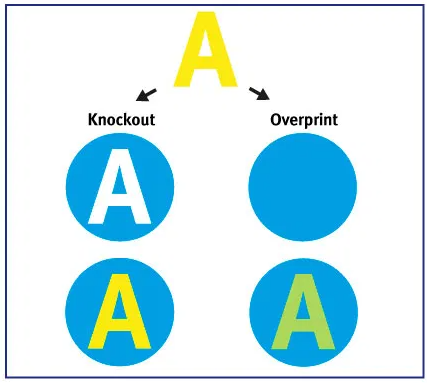
Every time one colour prints on top of another, the file has to answer a question that most designers never consciously ask: does the lower colour get removed where the upper one sits, or do the two inks print on top of each other? The answer is knockout or overprint, and choosing wrong produces either a white halo or a muddy third colour.
Both are legitimate. The trick is knowing which one the job needs before the file leaves the studio, because the printer will usually print what the file says — including the mistake.
The Two Decisions in Plain Terms
Knockout means the base colour is cut away wherever the top colour prints, like a paper stencil. The top ink lands on bare paper, so you get exactly the colour you specified.
Overprint means both inks print, one over the other. The top colour is modified by whatever is beneath it, and the result is a third colour that nobody chose.
| Knockout | Overprint | |
|---|---|---|
| Result colour | Exactly the specified ink | Ink over ink, so darker and often muddy |
| Needs trapping | Yes — without it, white gaps appear | No |
| Registration sensitivity | High; errors show as white fringes | Low; errors are hidden by the overlap |
| Ink cost | Lower | Higher on the overlapping area |
| Default in design software | Yes | Opt-in per object |
Why Knockout Is the Default
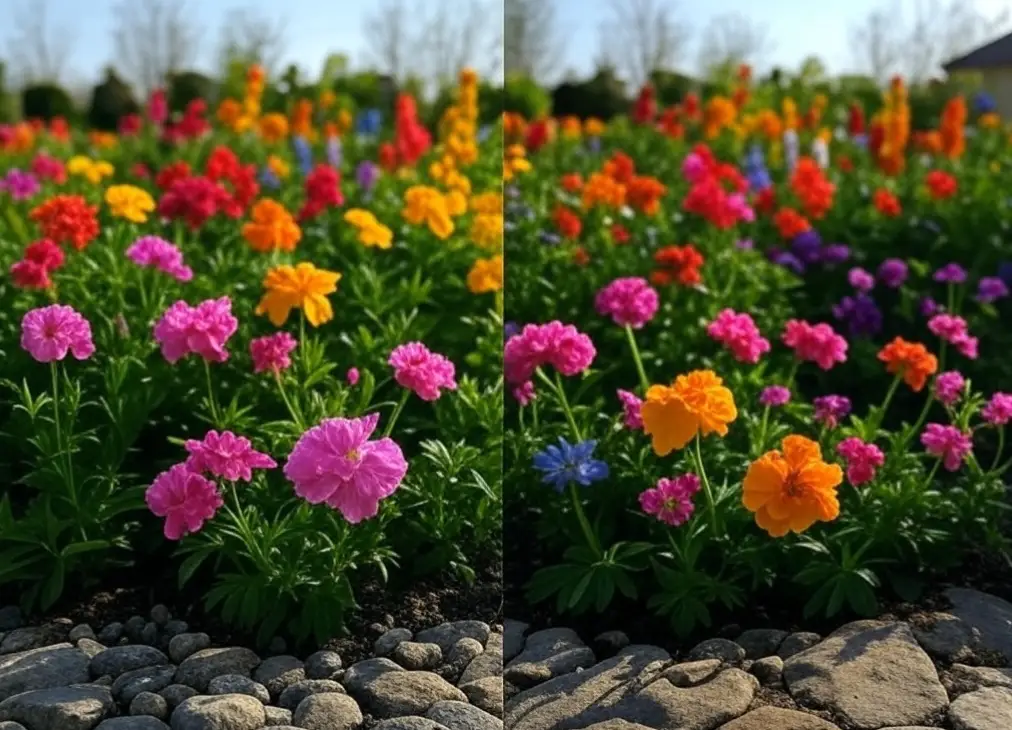
Design applications knock out by default because it is the only behaviour that gives a predictable colour. If you place a yellow shape on a blue background, you expect to see yellow, not the greenish result of yellow ink printed over blue.
The cost of that predictability is a registration dependency: the base colour has to be removed slightly larger than the top shape, or a shift of a few hundredths of a millimetre exposes white paper at the edge. That overlap is trapping, and it is the reason knockouts are never quite as simple as they look.
When Overprint Is the Right Answer
- Black text and hairlines. Small black type should overprint. If it knocks out, any registration shift gives it a coloured fringe, and at 7 pt that fringe is more visible than the letter.
- Black over a dark background. Knocking out black from a rich dark blue produces a hairline of white that is impossible to hide. Overprint and the black simply disappears into the dark.
- A deliberately darker version of a colour. Overprinting 20% black over a brand colour is a standard way to build a shade without a fifth plate.
- Anything where white gaps are unacceptable — dense dark artwork, photographic shadows, and packaging that will be folded after printing.
When Knockout Is Mandatory
- Light colours on dark. Yellow, white or a pale tint over a dark base must knock out, or it will not read as itself.
- Reversed type. White type in a solid requires a knockout with a trap, or the letters fill in.
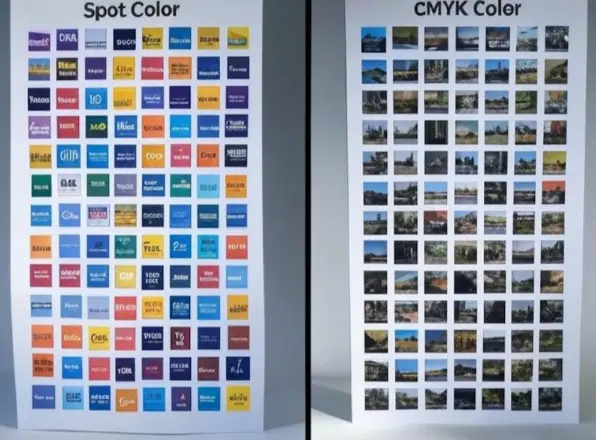
- Colours that must match a Pantone drawdown. Overprint changes the colour; knockout preserves it.
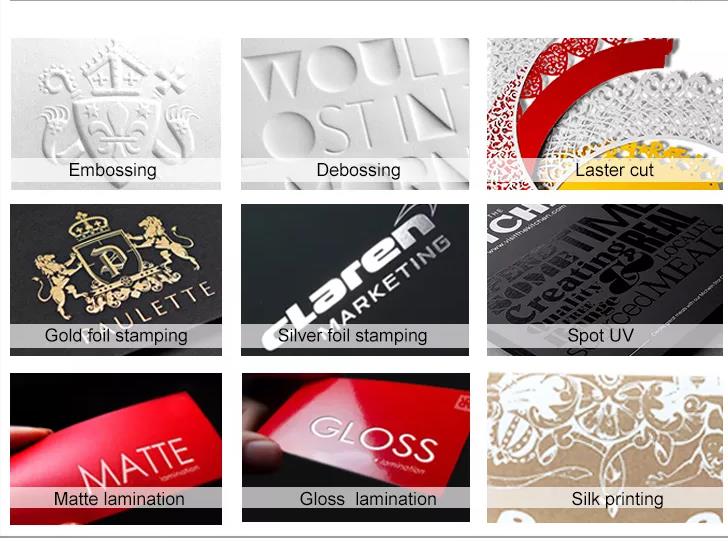
- Any area that will be foil stamped or embossed, where an uneven ink film under the foil shows through.
Trapping: The Price of a Knockout
| Situation | Trap width | Direction |
|---|---|---|
| Coated board, sheet-fed offset | 0.05–0.08 mm | Lighter colour spreads into darker |
| Uncoated board | 0.10–0.12 mm | Lighter spreads, or both spread half |
| Reverse type under 8 pt | 0.10 mm | Thicken the type, not the background |
| Corrugated flexo | 0.30–0.50 mm | Lighter colour spreads |
| Foil or emboss over print | 0.15 mm | Extend the printed colour past the foil edge |
The rule that decides direction: the lighter colour moves into the darker one, because a light sliver inside a dark area is invisible while a dark sliver inside a light area is obvious. Where two colours are equally dark, spread both by half the trap.
Rich Black: Where Knockouts Fail Most Often
A rich black — typically 60C 40M 40Y 100K — is four plates, not one. When rich black text knocks out of a coloured background, four edges have to register simultaneously, and at small sizes they will not. The type looks soft and slightly coloured, which reads as poor print quality even though every plate is within tolerance.
Two fixes. Use 100K only for text under about 12 pt, and overprint it. Reserve rich black for large solid areas where a single-edge registration error is invisible. If rich black text is required by a brand guide, keep it above 14 pt and give it a trap.
Setting It Up in the File
- Turn on overprint preview before you look at anything. Black that overprints looks black on screen and looks wrong in print, and the only way to catch it is to preview it.
- Set black text to overprint in the attributes panel, per object or via a paragraph style. Do not rely on the RIP’s default black handling — it varies by shop.
- Check the separation preview for objects that knock out when they should overprint, and the reverse.
- Export to PDF/X-4 and verify that overprint is preserved. Some PDF presets flatten transparency and silently drop overprint attributes.
- Send a note with the file listing which objects overprint deliberately. If you do not say, prepress will assume the defaults, and the defaults may not be what you want.
One more file-level check worth doing on packaging: whether white exists as a spot colour plate or as paper white. On a kraft board, “white” can only be printed, which means it behaves like any other ink for trapping purposes. Registration failures in offset is the other half of this subject, and offset versus digital explains why the tolerance differs between processes in the first place.
Knockout and Overprint Checklist
| Object | Setting | Why |
|---|---|---|
| Black text below 12 pt | Overprint | Any shift gives a visible fringe on knockout |
| Reverse type in a solid | Knockout + 0.1 mm trap | Without the trap the letters fill in |
| Light colour on dark | Knockout | Overprint would darken it beyond recognition |
| Rich black solid area | Knockout | Large areas hide edge shift |
| Hairlines and rules | Overprint if black | A knocked-out rule thinner than 0.25 pt disappears |
| White ink on kraft | Treat as an ink, trap it | There is no white substrate to knock out to |