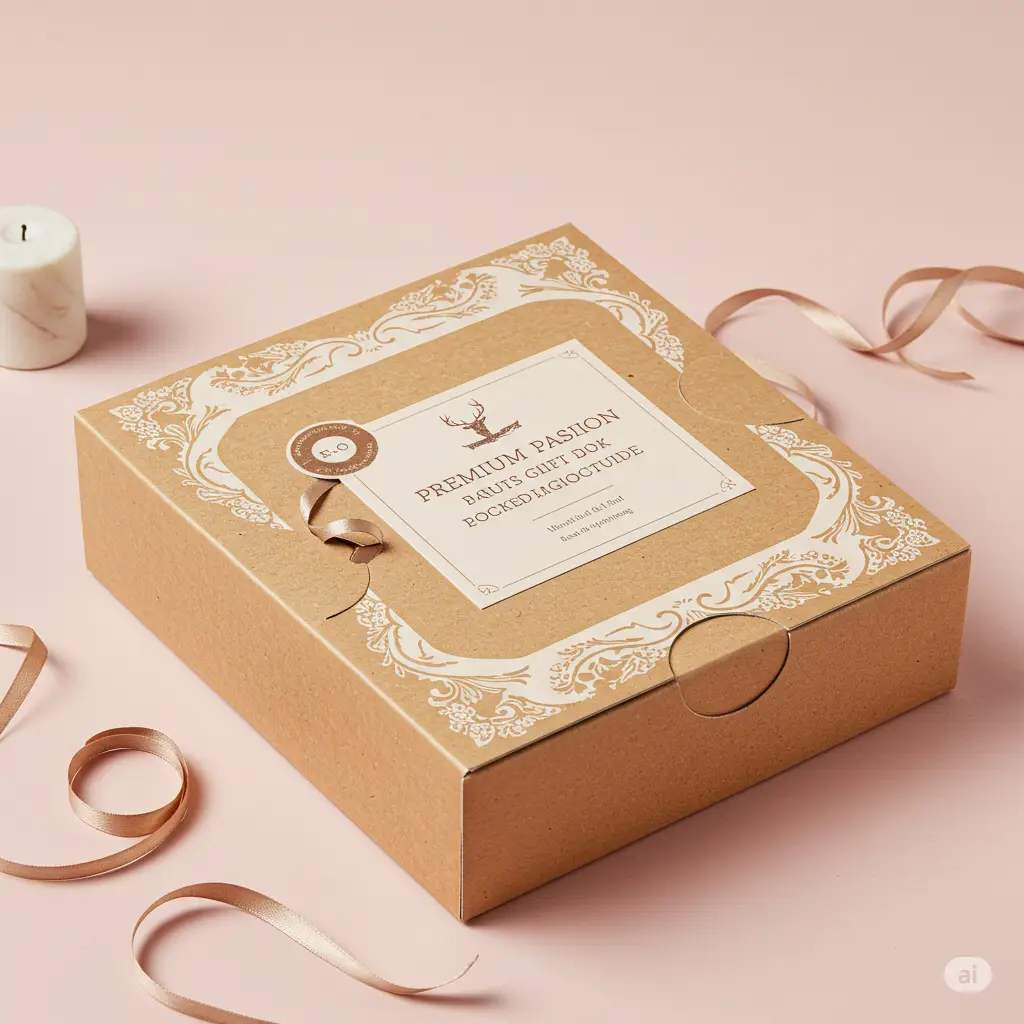
Holiday packaging is a scheduling problem before it is a design problem. The design can be approved in a week; the order has to be placed five months before the shelf date, because capacity in September and October is booked by brands who planned in June. This guide is a calendar first and a product guide second.
The Reverse Calendar
| Weeks before the holiday | What must be finished | What goes wrong if it slips |
|---|---|---|
| 20 weeks | Range decided, quantities set | Capacity is gone; you take whatever slot is left |
| 16 weeks | Artwork approved, drawdown signed | Remakes eat the buffer and land in peak season |
| 12 weeks | Production booked and deposit paid | Factory fills with other clients’ Christmas work |
| 8 weeks | Production complete, inspection passed | Air freight — which usually costs more than the packaging |
| 5 weeks | Goods on the water | Port congestion adds two weeks without warning |
| 3 weeks | Cleared and in the warehouse | You are paying expedited inland freight |
| 0 weeks | Packed and on shelf | — |
The two dates that actually matter are 16 weeks (artwork locked) and 12 weeks (production booked). Everything before those is comfort; everything after is recovery.
Why October Is the Cutoff
Chinese converting plants run at capacity from late August through November, because Western holiday orders all land in the same window. A factory that quotes four weeks in June will quote six to eight in October, and the slip is not a negotiating position — it is the queue. Add the Lunar New Year shutdown in late January or February and the calendar has two hard walls in the same season.
The practical implication: if your artwork is not approved by the end of August, plan for air freight or for a stock design with a printed label. Both are legitimate answers; discovering the need for them in November is not.
Gift Set Configurations That Sell
| Configuration | Components | Unit cost index | Where it works |
|---|---|---|---|
| Bag only | Printed paper bag with ribbon | 100 | Low-value items, retail add-on |
| Bag plus tissue and card | Bag, tissue, printed card | 118 | Apparel, cosmetics |
| Box plus bag | Rigid or foldable box inside a bag | 180 | Premium gifting, hampers |
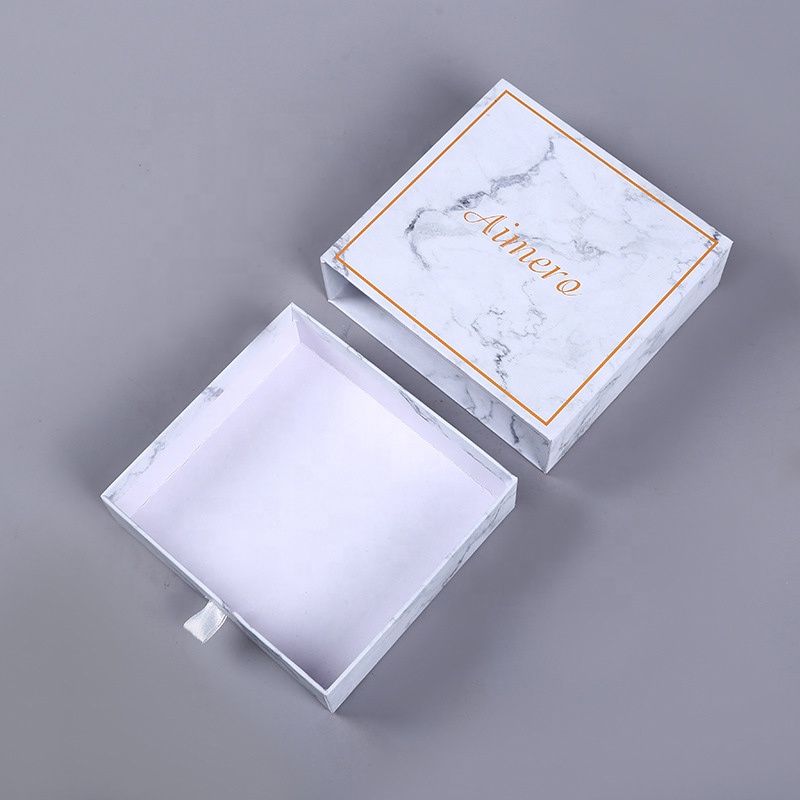
| Box plus sleeve | Plain box, printed sleeve | 135 | Multi-SKU ranges; one box, many sleeves |
| Two-tier hamper | Nested boxes with an insert tray | 240 | Food and drink gift sets |
The sleeve configuration deserves attention for anyone running several products. One box structure and five printed sleeves is five products for one die cost, and the sleeves can be reprinted for the next season without retooling. It is the cheapest way to look like a range rather than a single product.
MOQ Against Sell-Through
Holiday packaging is the worst case for inventory: it is dated, it cannot be carried into next season if the design is specific, and it has to be ordered before sell-through is known.
- Order the box at the lower MOQ tier and accept a higher unit price. A box you do not sell costs 100% of its price; a box you sell at a 12% premium costs 12%.
- Keep the structure generic and put the seasonal message on a sleeve, a band or a sticker. The structure carries over; the sleeve does not.
- Reserve 10–15% of the order for replenishment and confirm in writing that the factory will hold the die and the plates for a reprint.
- Ask what the reprint lead time is in November specifically, not in general.
Storage and Reuse Across Seasons
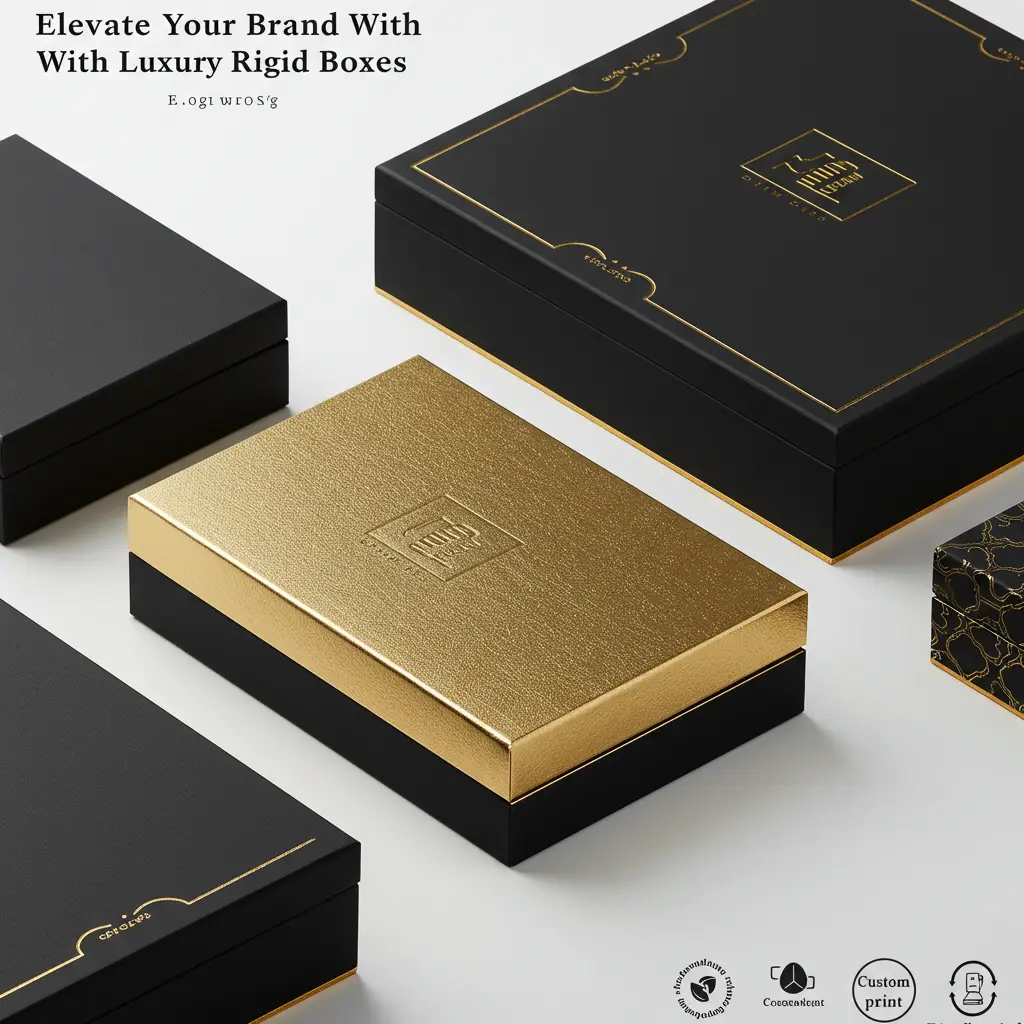
Flat-packed boxes store well; assembled rigid boxes do not, because they take up volume and pick up dust at the edges. If you have ordered rigid boxes, plan the warehouse space before the container arrives, and keep them in the export cartons rather than unpacking to shelves.
Paper also moves. A warehouse that is dry in October and damp in December will bow box lids. Pallets on the floor, against an external wall, are the usual cause — 100 mm of clearance and a pallet under the stack solves most of it.
Checklist by Holiday
| Holiday | Order by | Typical formats | Note |
|---|---|---|---|
| Valentine’s Day (14 Feb) | Early September | Heart boxes, small bags, ribbon | Factory shutdown in the middle of the window |
| Mother’s Day (March–May) | October–November | Bags, foldable boxes, tissue | Date varies by country; confirm the market |
| Easter | November | Boxes with window, small bags | Low volume, high design expectation |
| Back to school (Aug–Sep) | March | Bags, cartons | Price-sensitive; keep finishing simple |
| Black Friday (Nov) | June | Mailer boxes, unprinted inserts | Volume play; unprinted is the cost lever |
| Christmas (Dec) | July | Everything | Peak capacity; the earliest deadline of the year |
Starting Point
If this is your first holiday season with custom packaging, do one format well rather than five badly. A printed bag with a ribbon and a card covers most gifting occasions, ships flat, and survives storage between seasons. Customising gift bags covers the bag specification, and five gift bag types helps narrow the format. For the box side, foldable structures are the format that makes a holiday order economically sane.